Get Your Prepaid eSIM Now Skip the SIM Card Hassle
It’s surprising that a prepaid eSIM can be activated in minutes without ever handling a physical SIM card. You simply scan a QR code or download a carrier profile to add a data plan directly to your phone’s built-in chip. This eliminates the need to find a store or swap cards, so you can stay connected the moment you arrive somewhere new. It’s a relief to know you can manage your plan entirely from your device, conserving both time and travel stress.
Understanding the Shift to Embedded SIM Cards
Understanding the shift to embedded SIM cards directly impacts how you manage a prepaid eSIM. Unlike a physical SIM, the eSIM is a permanent chip soldered into your phone, allowing you to remotely download and activate a prepaid data plan without waiting for a plastic card to arrive. This means you can switch between prepaid eSIM profiles from different carriers instantly, ideal for travel or testing services. For prepaid users, this eliminates the risk of losing a tiny SIM card and simplifies topping up, as the profile remains live on the chip until you choose to delete it. Master this hardware-software integration to gain full, practical control over your prepaid connectivity.
How Digital SIMs Differ from Physical Plastic Cards
Unlike a physical plastic card that you slot into a tray, a digital SIM is a tiny, rewritable chip soldered directly onto your phone’s motherboard. This means you don’t have to wait for mail delivery or visit a store to get a prepaid eSIM; you simply scan a QR code or download a profile to activate a plan instantly. A physical SIM can be swapped between devices easily, while a digital SIM is locked to one phone, though you can store multiple profiles and switch between them in settings. The most obvious difference is the lack of a physical card to lose, damage, or fumble with—it’s all software-based. Comparing activation methods, digital SIMs let you go live in minutes, whereas plastic cards require handling a tiny, fragile piece of plastic.
Digital SIMs ditch the plastic tray and mail delays, letting you activate a prepaid plan in minutes via software instead of handling a physical card you can lose or break.
Why Travelers and Minimalists Are Adopting This Technology
Travelers adopt prepaid eSIM technology to eliminate physical SIM hunting upon arrival, activating a local data plan instantly from their phone. Minimalists are drawn to the device’s streamlined profile, removing the need for a separate plastic card tray and reducing clutter. Seamless multi-profile switching allows them to maintain a home number while using a local data plan, avoiding expensive roaming charges. This dual-SIM capability, managed entirely via software, satisfies the practical need for constant connectivity without logistical overhead.
- Instant activation before or after landing, bypassing foreign vendor queues.
- Physical removal of SIM trays, aligning with a minimalist, single-device ethos.
- On-demand top-up from an app, preventing unused credit waste.
Key Advantages of Choosing a Pay-As-You-Go Digital Line
The core advantage of a prepaid eSIM is its complete financial control and zero-commitment flexibility. You fund your digital line only when you need data, eliminating surprise bills or long-term contracts. This model allows you to instantly activate a local data plan upon arrival in a new country, then let it lapse without penalty. The key insight?
Your connectivity budget becomes entirely usage-based, scaling up for heavy streaming or pausing entirely during offline periods.
Top-up directly from an app means managing your line is as quick as checking email—no physical SIM swaps or credit checks required. This makes the pay-as-you-go approach ideal for travelers and minimalists who value freedom over bundled services.
No Long-Term Contracts or Surprise Fees
With a prepaid eSIM, you avoid binding contracts entirely. There are no surprise fees because you pre-fund your account, meaning costs are transparent from the start. If your trip extends, simply add more data; if you cut it short, you lose nothing. This flexibility lets you control travel connectivity spending without hidden charges.
- Purchase a data pack that fits your exact trip length.
- Use it for the allocated period with no automatic renewal.
- Top up only if you need more, avoiding monthly bills forever.
Instant Activation Without Visiting a Store
The most immediate advantage of a prepaid eSIM is instant activation without visiting a store. You complete the entire setup from your device, with a QR code or app download providing live service in under a minute. There is no commute, no queue, and no physical SIM card to handle. This process bypasses traditional retail hours entirely, enabling connectivity whenever and wherever you currently are. Ultimately, access becomes a purely digital transaction, removing a physical barrier from the start.
Instant activation without visiting a store means buying and connecting to a prepaid eSIM is a seamless, on-demand, entirely remote process that eliminates physical errands. You gain immediate data access from your current location with zero travel or wait time.
Switching Carriers Made Simple
With a prepaid eSIM, switching carriers is instantaneous and entirely digital. You avoid the hassle of physical SIM swaps, store visits, or service interruptions. Simply scan a new eSIM QR code from a different provider in seconds and activate a fresh plan on the same device. Your original line can remain active for dual-SIM use or be deleted just as easily, giving you complete control to test providers or lock in a better rate without commitment. This frictionless process turns carrier switching from a chore into a simple, strategic choice.
Selecting the Best Top-Up Virtual SIM for Your Needs
Selecting the best top-up virtual SIM for your prepaid eSIM needs hinges on matching your usage patterns to the provider’s flexibility. Prioritize plans that let you add data or voice credits instantly through an app, avoiding contracts. Look for variable validity—some eSIMs allow top-ups that extend expiry date, not just boost balance.
Always verify if the virtual SIM supports multi-country top-ups from a single wallet for seamless travel.
For frequent globetrotters, the best choice is one offering affordable data rollover and pay-as-you-go rates, ensuring you never waste unused credit. Finally, confirm the eSIM’s top-up currency matches your payment method to avoid hidden conversion fees.
Comparing Data Allowances and Speed Tiers
When comparing prepaid eSIM options, scrutinize both data allowances and speed tiers because a high-gigabyte plan is useless if throttled to 2G speeds. A 10GB plan with 4G/5G access often outperforms a 50GB plan capped at 3G speeds for streaming or video calls. Always check if the “unlimited” tier has a fair-use cap or drops to lower speeds after a threshold. Q: Should I prioritize data volume or speed for a prepaid eSIM? A: Prioritize speed tiers if you need real-time navigation or video; prioritize volume if you mainly browse or use messaging apps on slower connections.
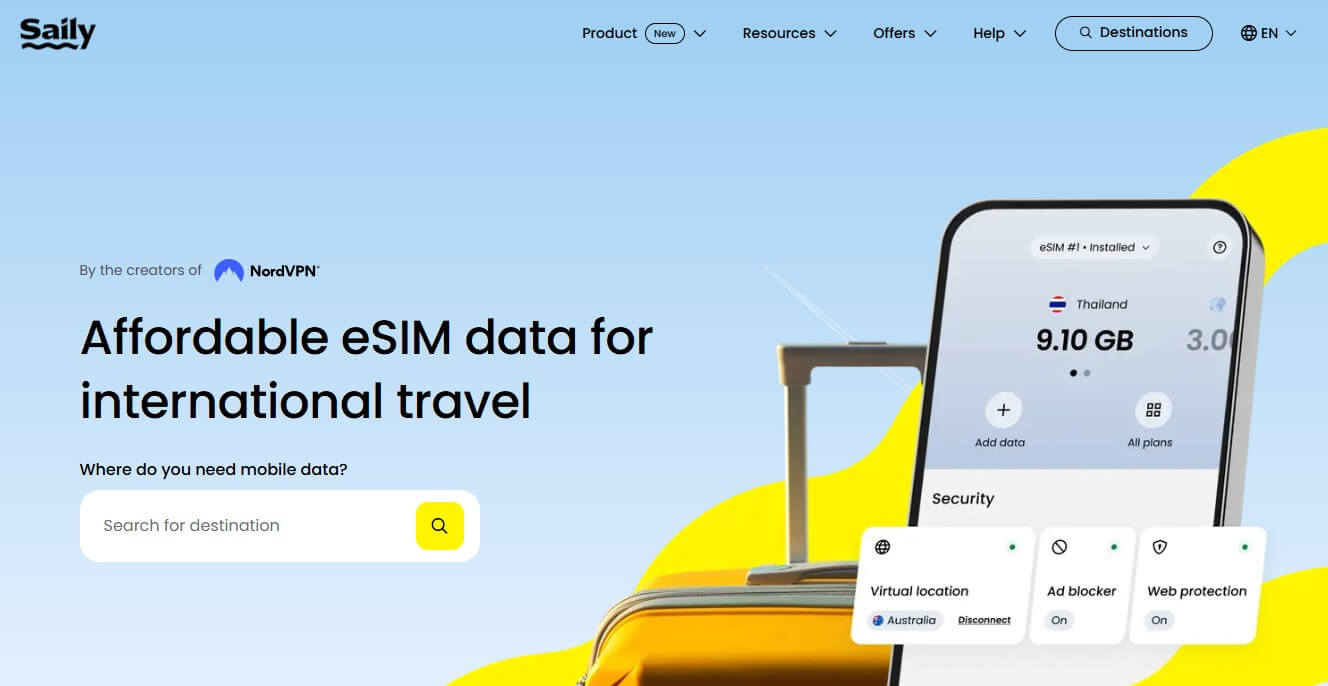
Regional Coverage: Local vs. Global Plans
When choosing a prepaid eSIM, regional coverage determines whether you need a local or global plan. A local plan ties you to one country’s network, ideal for deep, stable connectivity at lower costs. A global plan spans multiple regions, offering convenience for multi-country trips but often with slower speeds or throttled data. Evaluating your itinerary’s geography versus your tolerance for network switching is critical. Focus on regional coverage optimization to avoid overpaying for unused zones.
- Local plans provide strong single-country speed and cheaper per-GB rates.
- Global plans cover multiple regions but may deprioritize data in congested areas.
- Check if the global plan includes the specific countries you visit, not just broad regional labels.
Voice and SMS Options in a Data-First World
When evaluating top-up virtual SIMs in a data-first world, voice and SMS options have shifted to secondary, yet critical, add-ons. Many carriers now bundle minimal talk minutes purely for verification codes or two-factor authentication, relegating voice to a backup function. Data-centric plans often deprioritize traditional call quality, making VoIP integration essential if you need reliable conversations. For SMS, inbound-only allowances are common, while outbound messaging may incur per-text fees or require purchasing separate bundles.
- Confirm if the plan includes any outbound SMS credits for essential notifications.
- Check if voice minutes are only usable for receiving calls, not placing them.
- Evaluate if the eSIM supports native dialer calls or forces VoIP alternatives like WhatsApp or Telegram.
- Assess whether SMS-to-email forwarding is available to bypass limited texting.
Step-by-Step Setup Process for a Temporary Number
First, grab a prepaid eSIM from a provider like Airalo or BNESIM—these plans are designed for temporary use. Open the email with your QR code, then go to your phone’s cellular settings and tap “Add eSIM.” Scan the code, label it as “Travel” or “Temp,” and set it as your secondary line for data only (keep your main SIM for calls). Activate the plan once you arrive at your destination; it won’t work until you’re in range. A temporary number is often automatically assigned via the app, so you’ll receive it within seconds—no ID needed. This number usually exists solely for verification texts, not for making calls. Then, switch mobile data to this eSIM in your settings, and you’re online. If you need a second number later, repeat the process with a fresh eSIM plan from the same provider.
Checking Device Compatibility Before Purchase
Before grabbing a prepaid eSIM, take a sec to check device compatibility first. Not every phone supports eSIM—look for settings like “Add Cellular Plan” under your mobile network options. Most recent iPhones (XR and later) and newer Android flagships (like the Pixel 6 or Galaxy S20 series) work, but some budget models or locked carrier phones don’t. Quickly punch your IMEI into the provider’s compatibility checker or their app. Skipping this step means you might waste cash on a plan you can’t install.
| Device Type | eSIM Support Check |
|---|---|
| iPhone (XR & newer) | Yes—go to Settings > Cellular |
| Android (flagships post-2020) | Often yes; check IMEI on provider site |
| Budget or locked phones | Usually no—confirm before buying |
Scanning a QR Code to Install the Profile
After purchasing your prepaid eSIM, the next step involves scanning a QR code to install the profile. Locate the QR code provided by your carrier via email or account dashboard; it contains the activation data for your temporary number. Use your phone’s built-in camera or settings menu to scan it, initiating the profile download. Ensure a stable Wi-Fi connection, as the process requires data to fetch the eSIM profile.
- Keep your screen brightness high for reliable QR code recognition.
- Do not exit the settings page until installation completes.
- Delete the QR email immediately after scanning to avoid accidental reuse.
Managing Multiple Lines on One Handset
When managing multiple lines on one handset for a prepaid eSIM, activate your temporary number first, then assign it a specific label (e.g., “Travel”) in your device’s cellular settings. This ensures you distinguish it from your primary line. Navigate to “Cellular Plans,” toggle the temporary line for voice or data as needed, and set a default line for iMessage or FaceTime. You can seamlessly switch between lines during calls or messages via a pop-up prompt. Dual eSIM standby lets the temporary line receive calls while your primary line remains active, though only one can use data at a time—enable “Allow Cellular Data Switching” to auto-switch if the active data line loses signal.
Q: How do I prevent my temporary number from interrupting calls on my primary line?
A: Set the temporary line to “Do Not Disturb” under your carrier’s settings, or disable “Cellular on Other Line” in the temporary plan’s config to suppress its incoming calls while keeping data active.
Hidden Costs and Fine Print to Watch For
Prepaid eSIMs often lure you with a low headline price, but the fine print may contain significant hidden costs. Watch for top-up expiration policies, where unused data vanishes after a short window, forcing you to buy more before you travel again. Another trap is throttled speeds after a soft cap; the advertised high-speed data might run out far sooner than expected, leaving you with nearly unusable 2G. Always verify if a plan’s “unlimited” or “global” coverage is actually restricted to specific partner networks, which can incur roaming surcharges for off-network connections. It’s worth scrutinizing the activation window, as some eSIMs require you to install and attach the plan within 24 hours of purchase. Before buying, confirm all fees, particularly for hotspot tethering or multi-device use, which are often buried in update terms.
Fair Usage Policies and Throttling Thresholds
When choosing a prepaid eSIM, scrutinize the Fair Usage Policy and throttling thresholds to avoid a hidden slowdown. Many plans advertise unlimited data but reduce speeds dramatically after a specific Gigabyte limit. This throttle often renders video streaming and navigation unusable. To protect your experience, follow this sequence:
- Identify the exact data allowance before throttling applies.
- Confirm the reduced speed after the threshold is reached.
- Verify if the data resets monthly or per trip.
Ignoring these fine print details is how an “unlimited” plan traps you into slow, frustrating connectivity.
Expiration Dates on Credit and Data Bundles
When you buy a prepaid eSIM, the data bundle or credit you load often has a strict hidden expiry deadline. Unlike postpaid plans, your unused gigabytes can vanish in 7, 30, or 90 days, even if your eSIM profile remains active. Some providers start the countdown immediately at purchase, not when you first use data. Always check the “validity period” before adding top-ups, because rolling over unused credit is rarely automatic. A 30-day 10GB plan might expire in 15 days if the clock ticks from activation, not your first use. Never assume leftover funds carry over—verify each bundle’s sunset date separately.
| Bundle Type | Typical Validity | Activation Trigger |
|---|---|---|
| Light Data (1-3GB) | 7–30 days | Purchase time |
| Regional Plan (5-10GB) | 30–90 days | First connection |
| Unlimited (throttled) | 1–30 days | Plan start date |
Roaming Fees That Can Catch You Off Guard
Even with a prepaid eSIM roaming plan, users can be caught off guard by specific fee triggers. Many providers exclude certain countries from their coverage zone, charging unexpected per-MB rates the moment you cross a border. Additionally, incoming calls or texts—often assumed free—may incur costs if your plan lacks inclusive voice or SMS. Watch for pass-through data, where background app refreshes auto-activate a top-up without warning. To avoid surprise charges:
- Verify if your plan covers all intended destinations, including transit zones.
- Disable automatic data roaming and manually select a network only when needed.
- Review the fine print for any daily connection fee or minimum billing cycle.
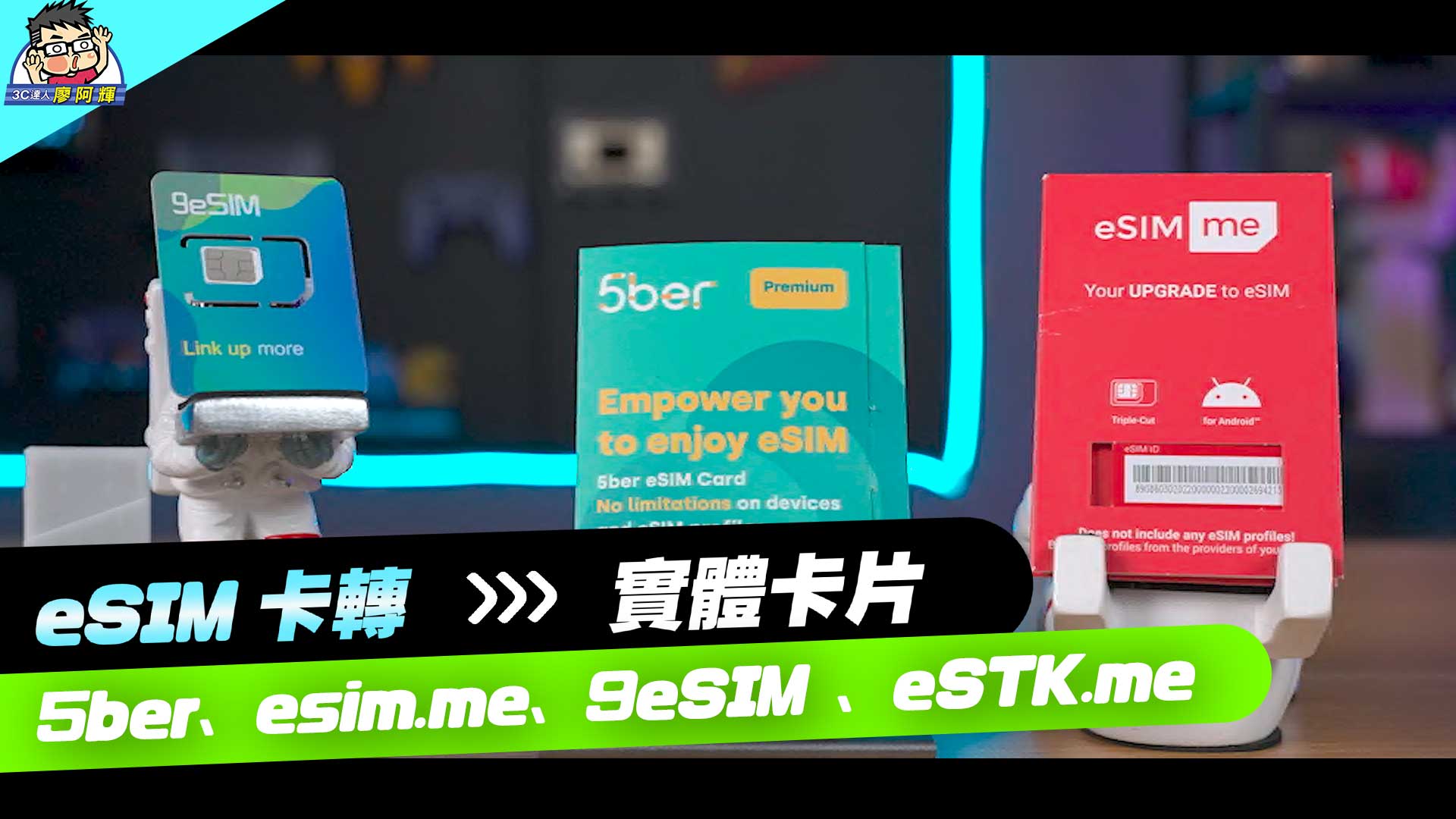
Top Providers for Flexible Short-Term Connections
For flexible short-term connections, prepaid eSIM leaders like Airalo and Holafly excel. Airalo offers dirt-cheap regional data packs you activate instantly, perfect for hopping countries. Holafly stands out with unlimited data on most local plans, ideal for heavy streamers on a week-long trip. Ubigi provides solid, cheap GB options that roll over if you re-up, while Nomad eSIM lets you top up vanishing data mid-trip without buying a new plan. All these providers let you install an eSIM in minutes and ditch physical SIMs, with no contract locking you in.
Global Giants: Airalo, Holafly, and Truphone
For flexible short-term prepaid eSIMs, global giants Airalo, Holafly, and Truphone dominate the market. Airalo offers region-specific and global data packs, letting users top up directly via its app, making it ideal for multi-country trips. Holafly specializes in unlimited data plans for single destinations or regions, with easy activation via a QR code. Truphone provides a pay-as-you-go model with no expiry on credit, suitable for sporadic travel across 200+ countries. While Airalo and Holafly focus on fixed data bundles, Truphone’s credit-based system suits lighter, unpredictable usage.
Q: Which provider offers the best value for a single-country trip?
A: Holafly’s unlimited data plans often provide the best value for heavy users in one country, whereas Airalo’s fixed-data packs may be cheaper for low-usage travelers.
Regional Specialists in Europe and Asia
For flexible short-term connections, regional specialists in Europe and Asia offer highly optimized prepaid eSIM solutions. Providers like Airalo or Holafly provide dedicated plans for specific areas, such as a single European country or a Southeast Asian region. These plans often prioritize local network quality and stable speeds. A Southeast Asia travel eSIM from a specialist usually covers multiple countries like Thailand, Vietnam, and Singapore with one profile, while Europe-focused specialists deliver reliable data across Schengen nations without per-country roaming fees. Activation is instant, making them ideal for focused trips rather than global roaming.
Comparing Customer Support and Refund Policies
When comparing prepaid eSIM providers for flexible short-term connections, evaluating customer support and refund policies is critical. Pay attention to whether support is available 24/7 via live chat or in-app messaging, as time-zone mismatches can leave you stranded. A money-back guarantee is essential, but scrutinize the fine print: some providers only refund unused data if you cancel within 15 minutes of activation, while others offer prorated refunds after a service failure. Comparing refund eligibility windows directly impacts your risk; a provider offering a 30-day “no questions asked” policy provides far more flexibility than one with a strict 1-hour window.
Common Use Cases Beyond Travel
Sarah’s daily commute was a dead zone for her main carrier, but her prepaid eSIM gave her a separate, reliable backup line that only cost a few dollars a month. When her phone’s primary number glitched during an urgent video call, she instantly switched data profiles to the eSIM, keeping the conversation seamless. For freelancers like her, a prepaid eSIM serves as a dedicated work number, keeping client calls and project files isolated from personal chatter. Prepaid eSIMs also solve the dilemma of needing a second line for short-term projects or event-based apps—like a weekend contractor requiring local data for maps and messaging without a long contract.
The real insight: a prepaid eSIM turns any smartphone into a dual-purpose tool, where one profile handles everyday life and the other handles specific, temporary tasks—from managing a side hustle to testing new apps without exposing your primary number to spam.
No need to juggle physical SIMs or pay for extra lines you barely use; it’s the quiet utility of having a spare digital identity, always ready in your pocket.
Backup Connectivity for Emergency Situations
A prepaid eSIM serves as a critical emergency backup connectivity solution when your primary network fails. Install a secondary eSIM profile from a different carrier before traveling or during a disaster, keeping it deactivated until needed. In an outage, simply enable the backup data line to instantly access maps, messaging, and emergency contacts without a physical SIM swap. This ensures you maintain a lifeline for communication and navigation when local cellular or Wi-Fi infrastructure is compromised.

- Store multiple provider profiles on one phone for redundant coverage options.
- Keep the backup eSIM top-up low or rely on a pay-as-you-go plan to avoid recurring costs.
- Test switching to the backup eSIM regularly to confirm it works during a crisis.
- Use it to tether other devices if your primary line is completely down.
Keeping Work and Personal Numbers Separate
A secondary prepaid eSIM provides a dedicated digital work-life balance without requiring a second physical device. By assigning a separate data-only eSIM for work communications and a primary line for personal use, you maintain distinct contact lists and billing. This setup avoids overlap in messaging apps and call logs. Since the prepaid eSIM operates independently of your main contract, you can pause or top up the work line without affecting personal service.
Q: Can I receive calls on my work prepaid eSIM without blocking personal calls?
Yes, you configure each line for specific tasks—data for work apps, voice for personal—by managing “Default line” and “SIM for iMessage & FaceTime” in your device’s cellular settings, ensuring calls remain distinct.
Temporary Lines for Short-Term Projects
For short-term projects, a prepaid eSIM provides a dedicated temporary project line without waiting for a physical SIM card. You instantly activate a separate number for a defined duration, keeping your primary line free from project calls or data usage. This eliminates juggling dual physical SIMs or risking personal number exposure. When the project ends, simply delete the eSIM profile; no contract cancellation or hardware return is needed. This streamlined approach ensures your work communications are fully contained and easily disposable upon completion.
Temporary lines via prepaid eSIM offer instant, disposable connectivity for short-term projects, isolating work from your primary number without physical SIM hassles or long-term commitments.
Troubleshooting Connectivity and Activation Issues
Troubleshooting connectivity and activation issues with a prepaid eSIM often begins with verifying that the eSIM profile is correctly installed and “active” in your device’s cellular settings. If data fails, toggle airplane mode for 30 seconds, then manually select your provider’s network. Activation failures usually stem from an incorrect QR code scan or a timeout during download; delete the profile and re-scan the original QR while on a stable Wi-Fi connection. For persistent “No Service,” ensure the APN settings match your carrier’s exact parameters and that roaming is enabled if required.
A simple device restart after profile installation resolves over 80% of initial activation hiccups.
If issues remain, check that your phone’s eSIM slot is not tied to a different carrier lock before contacting support directly from the eSIM.
What to Do When the Profile Fails to Install
When a prepaid eSIM profile fails to install, first verify your device is connected to a stable Wi-Fi network, as cellular data cannot be used during installation. Delete any partial or previously failed eSIM profiles from your device settings, then rescan or manually enter the provided QR code or activation details. If the issue persists, ensure your device is not carrier-locked to a different provider, which prevents installing an outside eSIM profile. Contact your prepaid eSIM provider’s support for a fresh QR code or SM-DP+ address to reattempt the download, as expired or incorrect credentials are a common cause of failure. Restarting your device before the final attempt often resolves residual software conflicts blocking profile installation.
Fixing No Network or Slow Data Errors
To fix prepaid eSIM no network or slow data, start by toggling Airplane Mode for 30 seconds to force a fresh network registration. If the issue persists, open your device’s cellular settings and manually select your operator’s network instead of using automatic selection. Next, verify your APN settings exactly match the carrier’s configuration—incorrect APN values are a common cause of data throttling. Follow this sequence if you still see Singapore eSIM no connection:
- Remove and re-add the eSIM profile from the device settings.
- Restart the phone completely after a 60-second wait.
- Reset network settings (this clears Wi-Fi and Bluetooth data but often resolves persistent errors).
These steps directly address connection and speed issues specific to prepaid eSIMs without involving account changes.
Getting Help from Provider Support Teams
When you hit a snag with your prepaid eSIM, the quickest fix is often directly messaging the provider’s support team through their in-app chat. They can instantly re-send your activation QR code if it didn’t arrive, or manually refresh the network profile on their end. If you’re struggling with a “no service” issue, reaching out to live chat saves you from fiddling with settings for hours. Just have your eSIM’s ICCID and phone IMEI handy—they’ll ask for both to verify your account and push a fresh data sync through to your device.
What a Prepaid eSIM Actually Does Differently Than a Physical SIM
How the embedded chip stores your mobile plan without a plastic card
The key difference between prepaid eSIM and traditional prepaid SIM cards
How to Activate a Prepaid eSIM on Your Phone in Under Five Minutes